
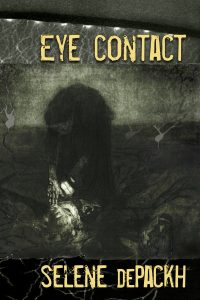
 Eye Contact
Selene dePackh
JournalStone Publishing (January 30, 2026)
Reviewed by Andrew Byers
Selene dePackh’s Eye Contact is a haunting, fiercely original collection of interconnected horror stories that delivers visceral chills and unflinching social commentary. Set against the backdrop of the CareWell Behavioral Analysis and Remediation Institute, the book follows the lingering souls of neurodivergent children trapped in a liminal afterlife while exposing the real-world cruelties of institutional “treatment.”
Narrated in part by Rowena (“Ro”), a sharp-witted nine-year-old who died after enduring forced compliance protocols, the stories shift between the living and the dead with seamless grace. Ro introduces us to her friends Sybille and Miles, fellow “wanderers” navigating this strange realm where time bends and the Abyss hungers for indifference. Through tales like “Passed Pawn” and “The Red King,” dePackh immerses readers in the institute’s sterile corridors, where orderlies grapple with guilt, therapists enforce shock harnesses and “quiet hands,” and children like Rowena are punished for using tablets instead of spoken words. The horror is multilayered: psychological torment from the staff’s ableist rigidity collides with supernatural dread—a shadowy Broker offering dark bargains, revenant clusters observing the living, and the cold indifference of the Void itself.
DePackh’s prose is atmospheric and poetic, rich with striking imagery that blurs the boundaries between the corporeal and the ethereal. Descriptions of frost-rimed woods, glowing-eyed coywolves, and the metallic tang of blood feel both grounded and otherworldly, heightening the sense of cosmic unease. Characters are drawn with profound empathy: Brian, the conflicted orderly haunted by dreams and guilt; the clinical yet fragile Dr. Fallowfield; and Rowena herself, whose fierce intelligence and quiet defiance make her a compelling guide through both realms. The author, writing from an autistic perspective, infuses the narrative with authenticity that transforms personal pain into universal resonance, critiquing normalization therapies without ever feeling didactic.
What elevates Eye Contact is its innovative structure and fearless heart. The linked stories build like a slow-unraveling tapestry, where earthly abuses echo into the afterlife, offering no easy redemption but moments of tentative connection and resistance. At once unsettling and deeply moving, this is literary horror at its finest: intelligent, emotionally raw, and impossible to shake. Fans of Shirley Jackson will find much to admire in dePackh’s bold vision. A standout that lingers like a shadowy figure on the edge of vision.




Trackbacks/Pingbacks